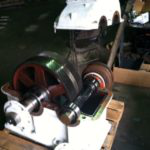
Gearboxes are among the most heavily loaded components in industrial machinery. They regulate torque, control speed, and keep production systems operating within precise mechanical limits. When a gearbox fails, the decision is rarely about whether to repair it, but how and when that repair occurs. The difference between emergency repair and scheduled maintenance often determines whether a failure becomes a manageable expense or a costly operational crisis.
At Hanson Gear Works, we regularly see the consequences of delayed action. Facilities that rely on reactive repairs face higher costs, longer downtime, and greater operational risk than those that plan gearbox service strategically.
Understanding Emergency Gearbox Repair
Emergency gearbox repair occurs when a failure halts production unexpectedly. These situations often involve seized bearings, broken gear teeth, or catastrophic lubrication breakdown. Because the failure is unplanned, facilities must respond immediately, regardless of staffing availability, parts readiness, or logistical constraints. Emergency response typically requires expedited diagnostics, rush machining, and extended labor hours to restore function as quickly as possible.
In many cases, emergency failures also cause collateral damage to surrounding equipment, escalating the scope of work well beyond the gearbox itself.
The True Cost of Emergency Repairs
Emergency repair costs extend far beyond the invoice for mechanical work. Production losses, missed delivery deadlines, overtime labor, and expedited shipping all contribute to the total financial impact. Additionally, emergency conditions limit repair options, often preventing full root-cause correction and leading to repeated failures requiring further gear repair intervention.
These hidden costs frequently exceed the direct repair expense, especially in continuous-process industries where downtime multiplies losses rapidly.
Scheduled Gearbox Maintenance Defined
Scheduled gearbox maintenance is a proactive approach that identifies wear, misalignment, and lubrication issues before failure occurs. Inspections, oil analysis, vibration monitoring, and thermal tracking provide data-driven insight into gearbox condition. When service is planned, repairs can be performed during controlled shutdowns, minimizing disruption and allowing technicians to restore equipment to optimal specifications.
This approach prioritizes reliability rather than speed, resulting in more durable outcomes.
Downtime Comparison Between Repair Strategies
Emergency repairs maximize downtime because failure occurs at the worst possible moment. Production stops abruptly, and restart timelines depend on repair complexity and part availability. Scheduled maintenance, by contrast, allows downtime to be planned around production cycles. Facilities can coordinate repairs with other maintenance tasks, significantly reducing lost operating hours and preventing the domino effect of unplanned stoppages affecting systems requiring speed reducer repair.
Predictable downtime supports consistent output and operational stability.
Quality Differences in Repair Outcomes
Repair quality often suffers under emergency conditions. Limited time reduces the opportunity for detailed inspection, precision machining, and proper testing. Scheduled repairs allow technicians to perform comprehensive gearbox rebuilding, replacing worn components, correcting alignment, and restoring factory tolerances. This thorough approach extends service life and reduces the likelihood of secondary failures.
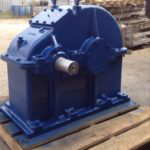
Higher-quality repairs ultimately lower lifecycle costs and improve equipment reliability.
Inventory and Parts Availability
Emergency repairs frequently require nonstandard sourcing, overnight shipping, or temporary component substitutions. These measures increase costs and may compromise long-term reliability. Scheduled maintenance allows facilities to plan parts procurement in advance, ensuring correct materials and specifications are used. This is particularly important for specialized systems requiring Planetary gearbox repair, where component precision is critical.
Planned inventory management supports both cost control and repair accuracy.
Safety and Operational Risk Considerations
Unexpected gearbox failures introduce safety risks. Sudden mechanical breakdowns can create hazardous conditions for operators and maintenance personnel. Emergency repairs often occur under pressure, increasing the likelihood of mistakes. Scheduled maintenance reduces risk by allowing work to be performed under controlled conditions, with proper lockout procedures and safety planning. This approach also minimizes stress on connected equipment such as drives and pumps that may otherwise require pump repair following a sudden failure.
Safety improvements are a significant but often overlooked benefit of proactive maintenance.
Budget Predictability and Financial Planning
Emergency repairs disrupt budgets. Costs are unpredictable, and financial approvals may be rushed. Scheduled maintenance supports accurate budgeting by spreading repair costs over time and avoiding large, unplanned expenditures. Facilities that plan gearbox service gain better financial visibility and reduce capital strain associated with major failures requiring Philadelphia gearbox repair expertise.
Predictable maintenance spending supports long-term financial health.
Data-Driven Decision Making
Modern condition monitoring tools allow operators to make informed repair decisions based on measurable indicators rather than guesswork. Trending vibration, temperature, and oil condition data provides early warning of deterioration. This data-driven approach enables timely scheduling of repairs before failure occurs, reducing reliance on emergency response and improving coordination with broader maintenance programs, including Extruder gearbox repair planning.
Information transforms maintenance from reactive to strategic.
When Emergency Repairs Are Unavoidable
Not all emergencies can be prevented. External events, unexpected overloads, or process upsets may still cause sudden failures. However, facilities with strong maintenance programs recover faster because equipment history, documentation, and established repair partnerships already exist. Even when emergency repair is required, preparation limits damage and shortens recovery time.
Preparedness reduces the severity of unavoidable failures.
Making the Smarter Choice for Long-Term Reliability
The choice between emergency and scheduled gearbox repair is ultimately a choice between reaction and control. Proactive maintenance reduces downtime, lowers costs, improves safety, and extends equipment life. Over time, these advantages compound, creating a more resilient operation capable of meeting production demands without constant disruption.
For most facilities, scheduled maintenance is not just the smarter choice—it is the only sustainable one.
We Are Houston’s Leading Repair Facility For Gearboxes
At Hanson Gear Works, we help industries reduce downtime through precision service and planning. Since 1998, our team has delivered dependable solutions. Explore our work in the Gallery or Call Now to discuss expert gearbox rebuilding and long-term reliability strategies.