Mining equipment endures intense daily pressure, dust, heat, vibration, and heavy loads strain hydraulic systems. At our facility, we frequently witness the impact on cylinders. When a cylinder fails, operations are disrupted. Our repair experience gives us insight into how maintenance shapes safety and longevity in mining.
Hydraulic performance is tied directly to equipment stability. If a cylinder drifts, loses pressure, or begins to leak, operators face safety risks, and production slows. In this detailed guide, we share the practices we teach our clients to protect their mining equipment and avoid the most common hydraulic problems.
Understanding Early Warning Signs
Hydraulic cylinders rarely fail without early warnings. These signals allow intervention before major damage. We advise mining teams to train operators to spot these issues.
Slower movement during cycles
A change in speed is often the first sign of internal leakage. If a machine takes longer to lift or extend, seals may be weakening or fluid may be bypassing inside the barrel.
Drifting or sagging under load
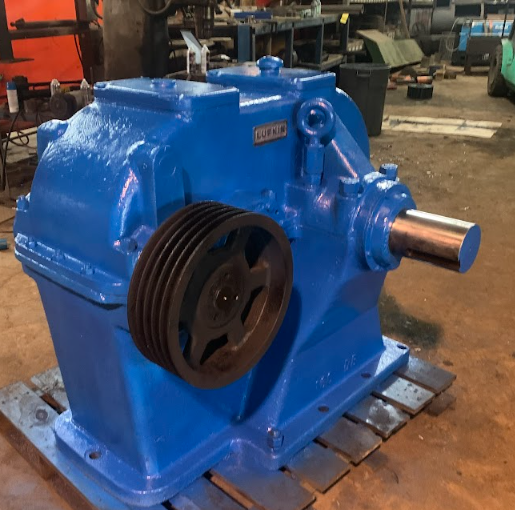
If a boom or arm cannot stay in place, the cylinder is losing pressure. This type of pressure loss is similar to what occurs during repairs of speed reducers or gearboxes, where internal clearance issues cause systems to lose their ability to hold position—even if the outside looks fine.
Visible leaks
Even a slow drip can lead to contamination and long-term wear. Leaks often signal that seals have reached the end of their service life.
Rod scoring or corrosion
A cylinder rod must remain smooth. Scratches or rust lines often indicate contamination or misalignment. These types of surface problems are also observed during repairs of centrifuges or pumps, where the presence of foreign materials can gradually degrade critical surfaces and efficiency.
Noise and vibration during operation
A cylinder should move smoothly. Knocking or vibration signals internal wear or misalignment. Spotting these signs early lets us rebuild cylinders before the damage spreads to rods, heads, or internal surfaces.
Repair Strategies That Strengthen Hydraulic Safety
Our approach to hydraulic cylinder repair has been shaped by years of working on mining equipment. These environments demand precision, and every step of the repair process must support reliable performance.
Thorough teardown and inspection
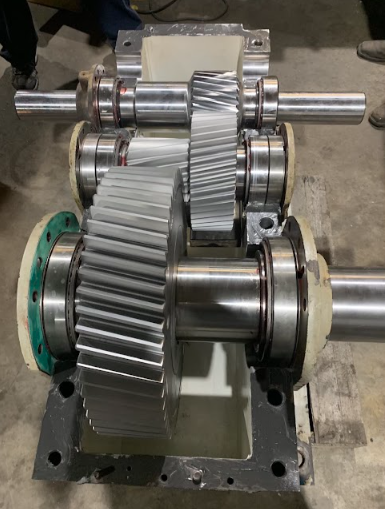
We begin with a complete breakdown of the cylinder. Similar to the detailed work required during gearbox repair, accuracy is everything. External components must be measured, checked against tolerances, and examined for heat wear or misalignment.
Seal replacement using premium materials
Mining equipment needs quality seals. Dust and heavy loads require strong materials. We match seals to each machine’s duty cycle and conditions.
Restoration or replacement
If the rod shows pitting, scoring, or bending, we grind, polish, or replace it. Even a slightly bent rod can quickly ruin new seals.
Tube Honing
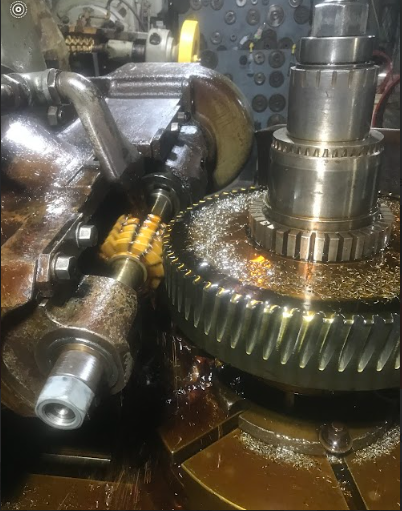
Tube honing for smoother internal performance. Honing restores the inside of the barrel to a smooth finish, improving seal movement and ensuring proper lubrication. This step resembles the precision machining used during gear manufacturing or shear blade grinding, where smoothness directly affects a component’s reliability and service life..
Assembly and pressure testing
Every rebuilt cylinder is pressure tested before it leaves our shop. Testing ensures it can handle real workload conditions without drifting or losing force. These repair steps directly support hydraulic safety, which is essential in mining, where equipment failures can cause serious damage.
Long-Term Maintenance Practices That Protect Equipment
Effective hydraulic maintenance extends service intervals and reduces the need for emergency repairs. Mining companies with structured maintenance plans encounter fewer failures in hydraulic systems and equipment, including gearbox repairs and extruder gearbox units.
1. Maintain clean hydraulic fluid
Contaminants cause most hydraulic failures. This is also apparent in David’s standard gearbox repair, where foreign debris disrupts smooth internal movement. By performing regular fluid checks and using effective filtration, abrasive particles are kept out of the hydraulic system..
2. Inspect wipers and seals often
Wipers keep out dust. If worn, contaminants enter each stroke.
3. Check alignment and mounting points.
Impact and vibration shift alignment over time. Misalignment causes uneven wear of the rod and seal.
4. Lubricate pivot points
While the cylinder has internal lubrication, the pivot and connection points need external grease. This reduces side loading that can bend rods.
5. Perform regular leak down tests
Testing helps find internal bypass issues early. It is valuable for predicting wear.
6. Reliable maintenance records
Tracking service intervals and early symptoms improves planning and budgeting. It also helps us understand patterns in your machinery so we can tailor repair strategies to your operation.
Safety Advantages Of Proactive Hydraulic Care
Mining is built on safety. A strong hydraulic maintenance plan directs risk.
Better Load Stability
A healthy cylinder holds loads securely. This is critical when equipment moves large materials or works on uneven terrain.
Lower Fire Risk
Hydraulic leaks near heat sources create a fire hazard. Strong sealing and clean fluid reduce this risk.
Less Mechanical Strain On Other Systems
A failing hydraulic cylinder forces adjacent components to work harder. We see this during gearbox repair, where external stresses accelerate internal wear.
More Predictable Equipment Response.
Operators can work confidently when the machine responds consistently. This is one of several ways expert support and technical experience enhance mining operations, which we provide to clients daily..
How Our Team Supports Mining Operations
We repair hydraulic cylinders for mining trucks, shovels, loaders, crushers, and drilling equipment weekly. Our work with other mining machinery reinforces how interconnected these systems are, when one fails, others are affected.
We take a technical approach built on decades of experience. From machining to full rebuilds, our team restores hydraulic cylinders for safe, consistent performance under tough conditions.
Get In Touch with Hanson Gear Works For High Quality Services!
Mining operations depend on strong hydraulic performance to keep production running and workers safe. When hydraulic cylinders begin to show early wear, the smartest move is to work with experts who understand the full spectrum of mechanical service.
At Hanson Gear Works, we bring decades of experience in gearbox repair, rebuilding, speed reducer repair, pump repair, and hydraulic system restoration. Our team provides complete cylinder teardown, diagnostics, precision machining, and pressure testing to ensure every unit is ready for heavy mining workloads.
Mining companies seeking safer operations, longer equipment life, and fewer breakdowns can contact our team today to schedule a full evaluation and begin building a customized maintenance strategy that strengthens their entire fleet.