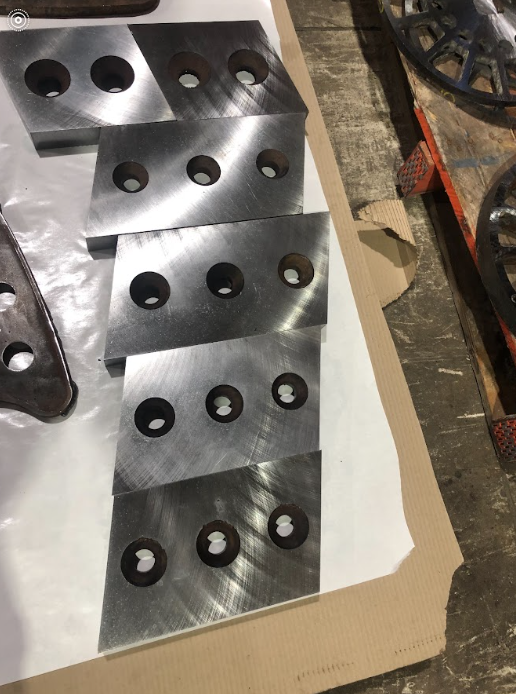
Efficient cutting systems sit at the heart of packaging and recycling operations, and nothing influences their performance more directly than the condition of their shear blades. Whether trimming film, processing scrap, or reducing bulk materials for downstream handling, sharp and accurately maintained blades determine the quality, consistency, and safety of production. As plants push for faster speeds and reduced operating costs, shear blade maintenance becomes a critical discipline, one that directly affects machine life, output quality, and overall operational efficiency.
Why Sharp Shear Blades Matter for Daily Production
In high-volume environments, shear blades encounter constant abrasion, material buildup, and thermal stress. Over time, these forces gradually dull the blades, increasing friction and forcing machines to work harder. Timely shear blade sharpening helps restore clean cutting geometry and protects mechanical systems from unnecessary strain.
A sharp, balanced blade reduces stress on key power-transmission components such as the gearbox, motors, drive shafts, and couplings. Poor blade condition has been known to trigger premature wear on gears, increasing the likelihood of downtime and the need for interventions such as gearbox repair, depending on the equipment’s configuration. Keeping cutting equipment in top condition ultimately safeguards the broader mechanical ecosystem—from the blade housing to support equipment like extrusion lines, pumps, and even centrifuge systems that may rely on dependable torque and speed management.
Reducing Waste and Material Loss through Consistent Blade Care
In both packaging and recycling plants, material waste translates directly into financial loss. Dull blades cause incomplete cuts, tearing, frayed edges, and misaligned segmentation that can quickly add up to significant defects. Consistent shear blade repair, along with proactive inspection routines, helps ensure uniform cutting results across shifts and material variations.
Industries relying on specialty tools such as shear blades benefit greatly from scheduled intervention, as these blades are engineered for precision tolerances. When dull or misaligned, they can introduce processing inconsistencies that ripple down the line, creating jams, excess scrap, or unnecessary rework.
Extending Machine Life and Supporting Long-Term Reliability
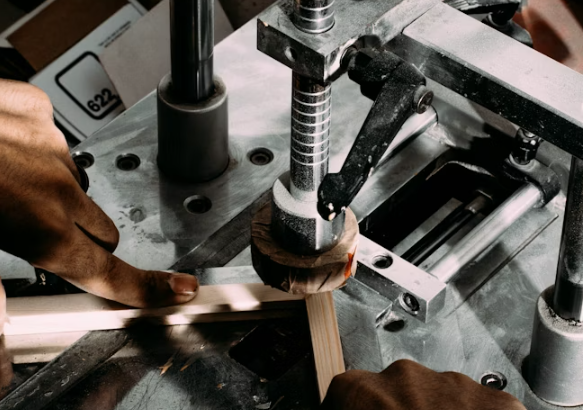
When neglected, worn blades push other systems to compensate; hydraulics must cycle harder, motors draw higher loads, and gear trains experience irregular torque transfer. The resulting strain can accelerate wear in associated components, which may lead to additional repairs, such as specialized services, depending on the machinery type.
Proper shear blade maintenance reduces these demands by promoting smoother, more consistent operation. Meanwhile, related systems such as pump repair programs, auxiliary drives, and motion control setups also benefit from reduced stress. In recycling plants where heavy-duty cutting is constant, the indirect advantages of proper blade care extend to equipment like centrifuges, where timely centrifuge repair is often supported by the stable upstream operations that sharp blades help maintain.
The same logic applies to facilities that depend on older or custom-built drives, where the availability of replacement parts may be limited. Consistent blade upkeep preserves the mechanical balance of the system, reducing the chance of unexpected failures that could halt production.
Lowering Emergency Repair Costs through Preventive Planning
Emergency breakdowns are always more disruptive and expensive than planned maintenance. With dull or damaged blades being a leading cause of line stoppages, a preventive shear blade offers a clear financial advantage. Well-timed sharpening, grinding, and component inspections help operators identify minor wear patterns before they contribute to catastrophic damage or cause failures in nearby equipment such as transmissions, reducers, or specialized industrial drives.
Moreover, when cutting systems run reliably, facilities reduce their reliance on urgent service needs like David standard gearbox repair support they may still need periodically, but far less frequently when the upstream cutting process remains controlled and predictable.
By focusing on early detection, aligning maintenance schedules with production demands, and leveraging skilled technicians to address issues like alignment drift or mount wear, plants can dramatically decrease the likelihood of sudden downtime. This translates into fewer emergency service calls, lower overnight shipping costs, and a more stable workflow for all teams involved.
Partner With Precision Specialists Who Protect Your Productivity
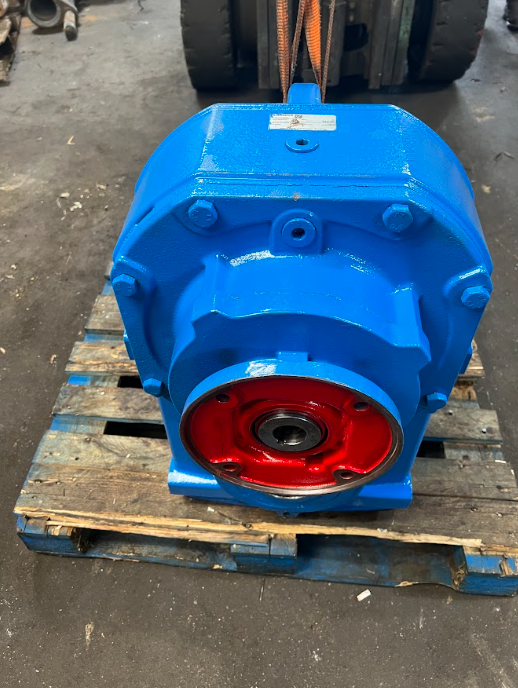
Hanson Gear Works understands how essential dependable cutting and power-transmission systems are to your operation, especially in industries where every minute matters and worn blades or stressed drives can quickly turn into costly delays, which is exactly why timely service is so valuable. From routine shear blade repair to advanced support involving Philadelphia gear inspection and even specialized regional services such as gearbox repair in Pasadena, Texas. We deliver solutions designed to extend equipment life and prevent emergency interruptions. Our commitment is simple: high-precision workmanship, fast turnaround times, and a dependable service experience that keeps your entire operation performing at its best. If you’re ready to protect your machinery, reduce waste, and strengthen long-term reliability, reach out today to discuss your specific needs and learn how we can help.